

“`html
The Transformation of Information: Why Health News is Changing the World in 2026
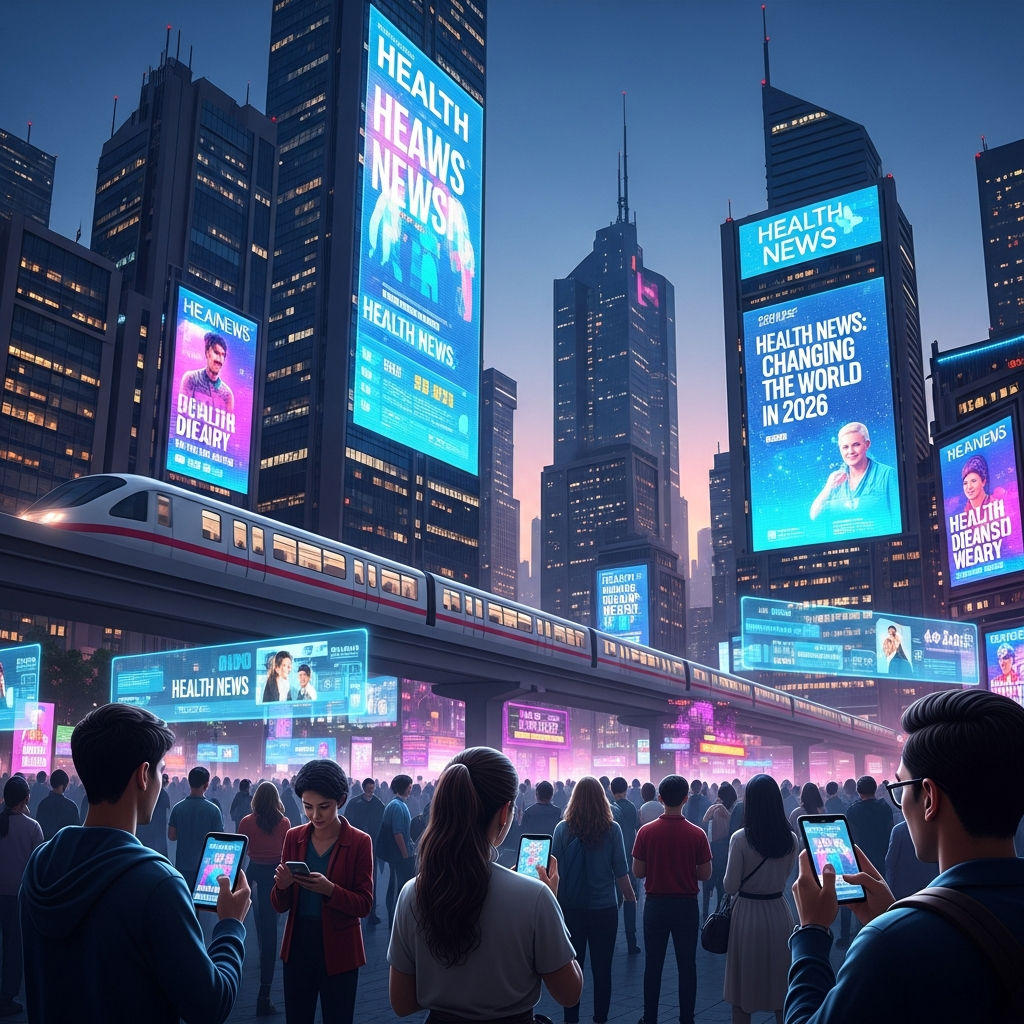
In the opening months of 2026, the global landscape looks fundamentally different than it did only a few years ago. We have moved beyond the era where health news was merely a secondary segment on the nightly broadcast. Today, health news is the primary engine of societal change, economic shifts, and individual lifestyle revolutions. As medical breakthroughs accelerate and digital literacy reaches new heights, the way we consume and act upon health information is reshaping the very fabric of human existence.
The year 2026 marks a turning point where “preventative living” has transitioned from a buzzword to a survival strategy. Driven by artificial intelligence, real-time data, and a global demand for longevity, health news has become the most influential medium of our time. Here is how this evolution is changing the world.
1. The Democratization of High-Level Medical Knowledge
Historically, the most advanced medical insights were locked behind academic paywalls or reserved for elite clinical circles. In 2026, that wall has crumbled. Health news outlets now leverage advanced AI to translate complex genomic data and biochemical research into actionable advice for the general public.
AI-Driven Personalization
We are no longer reading generic health advice. In 2026, health news is increasingly “hyper-personalized.” Through integrated health apps and news platforms, readers receive news updates tailored to their specific genetic markers and biometric data. If a new study on Vitamin D sensitivity is published, individuals with a genetic predisposition for deficiency receive the news first, along with direct links to validated supplements or dietary adjustments.
Breaking the Barrier Between Doctor and Patient
The hierarchy of healthcare is flattening. Health news in 2026 empowers patients to enter clinical consultations as informed partners rather than passive recipients. With real-time reporting on new drug trials and non-invasive surgical techniques, the public is often aware of cutting-edge treatments at the same time as their primary care providers. This has forced a shift toward “collaborative medicine,” improving patient outcomes and accelerating the adoption of new technologies.
2. Real-Time Reporting: From Labs to Living Rooms
In the past, it could take a decade for a laboratory discovery to influence public health policy or personal habits. In 2026, the “information lag” has been virtually eliminated. Health news now operates with the speed of financial markets.
The End of the “Information Lag”
When a breakthrough occurs in longevity science—such as a new senolytic therapy that clears aging cells—it hits the headlines within hours. This rapid dissemination allows for faster public discourse, quicker regulatory pressure on organizations like the FDA, and immediate shifts in consumer behavior. This speed is instrumental in managing emerging pathogens and environmental health risks before they become full-blown crises.
Biotech and Longevity Science as Mainstream Interest
By 2026, longevity is no longer a niche interest for the “biohacking” community. It is a mainstream obsession. Health news focuses heavily on “Healthspan”—the period of life spent in good health, rather than just Lifespan. Daily reports on NAD+ boosters, mitochondrial health, and telomere maintenance have changed the way people eat, sleep, and work, leading to a global workforce that is more resilient and productive than previous generations.
3. Combatting the “Infodemic”: The Rise of Verified Health News
The mid-2020s were plagued by health misinformation. By 2026, the world has fought back. The evolution of health news is defined by its commitment to verification and the “source-of-truth” model.
- Blockchain Verification: Many leading health news platforms now use blockchain technology to verify the credentials of authors and the authenticity of cited studies, ensuring that “fake news” is filtered out before it can go viral.
- Expert Fact-Checking AI: Newsrooms now utilize specialized AI trained on peer-reviewed medical databases to fact-check live broadcasts and articles in real-time.
- The New Health Influencer: The era of the “unqualified influencer” has ended. In 2026, the most trusted voices in health news are credentialed professionals—MDs, PhDs, and Researchers—who have mastered the art of digital storytelling to provide evidence-based guidance.
4. Impact on Global Policy and Individual Lifestyle
Health news is not just changing how we feel; it’s changing how we live and how our cities are built. Public awareness driven by investigative health journalism has forced governments to address systemic issues that were previously ignored.
Proactive Healthcare vs. Reactive Medicine
The constant stream of health news focusing on the “Social Determinants of Health” has shifted public demand. In 2026, voters prioritize “health-first” urban planning. This includes increased green spaces to combat mental health issues, stricter regulations on ultra-processed foods, and the elimination of “forever chemicals” (PFAS) from consumer products. This shift is a direct result of relentless health reporting that connected environmental toxins to long-term chronic illness.
Mental Health and the Digital Renaissance
Perhaps the most significant change seen in 2026 is the normalization of mental health news. What was once a taboo subject is now a daily topic of conversation. News outlets provide daily “mental fitness” updates, covering everything from the latest neuroplasticity exercises to the therapeutic benefits of controlled psychedelic treatments. This has led to a global decrease in the stigma surrounding mental illness and a surge in the adoption of preventative mental wellness practices.
5. The Economic Ripple Effect of Health News
The global economy in 2026 is increasingly “health-centric.” Health news acts as a market mover. A positive report on a new Alzheimer’s preventative can shift billions of dollars in investment overnight.
Because the public is better informed, we are seeing a massive shift in the consumer goods market. Companies that do not meet the “Health-Safe” standards promoted by investigative health journalists are seeing their market shares evaporate. Conversely, “Wellness-Tech” has become the largest sector of the economy, surpassing traditional consumer electronics. Health news is the guidepost for this new economy, telling consumers which products are truly beneficial and which are merely marketing “health-washing.”
Conclusion: A Healthier, More Informed Future
As we navigate the complexities of 2026, the role of health news has transcended simple reporting. it has become an essential tool for survival, a catalyst for political change, and a foundation for personal empowerment. By bridging the gap between scientific innovation and daily application, health news is creating a world where people are not just living longer, but living better.
The information age has evolved into the “Information-Action Age.” In 2026, staying informed through reputable health news is the single most important thing an individual can do to ensure a vibrant future. As we look ahead, the continued evolution of this sector promises to unlock even greater potential for human health and global prosperity.
Key Takeaways for Staying Informed in 2026:
- Seek Verified Sources: Prioritize platforms that use AI-fact-checking and credentialed experts.
- Act on Real-Time Data: Utilize personal biometric integrations to apply news to your specific needs.
- Focus on Prevention: Use health news to identify lifestyle changes that prevent chronic illness before it starts.
- Support Health-First Policy: Stay aware of environmental health news to advocate for a cleaner, safer community.
“`